
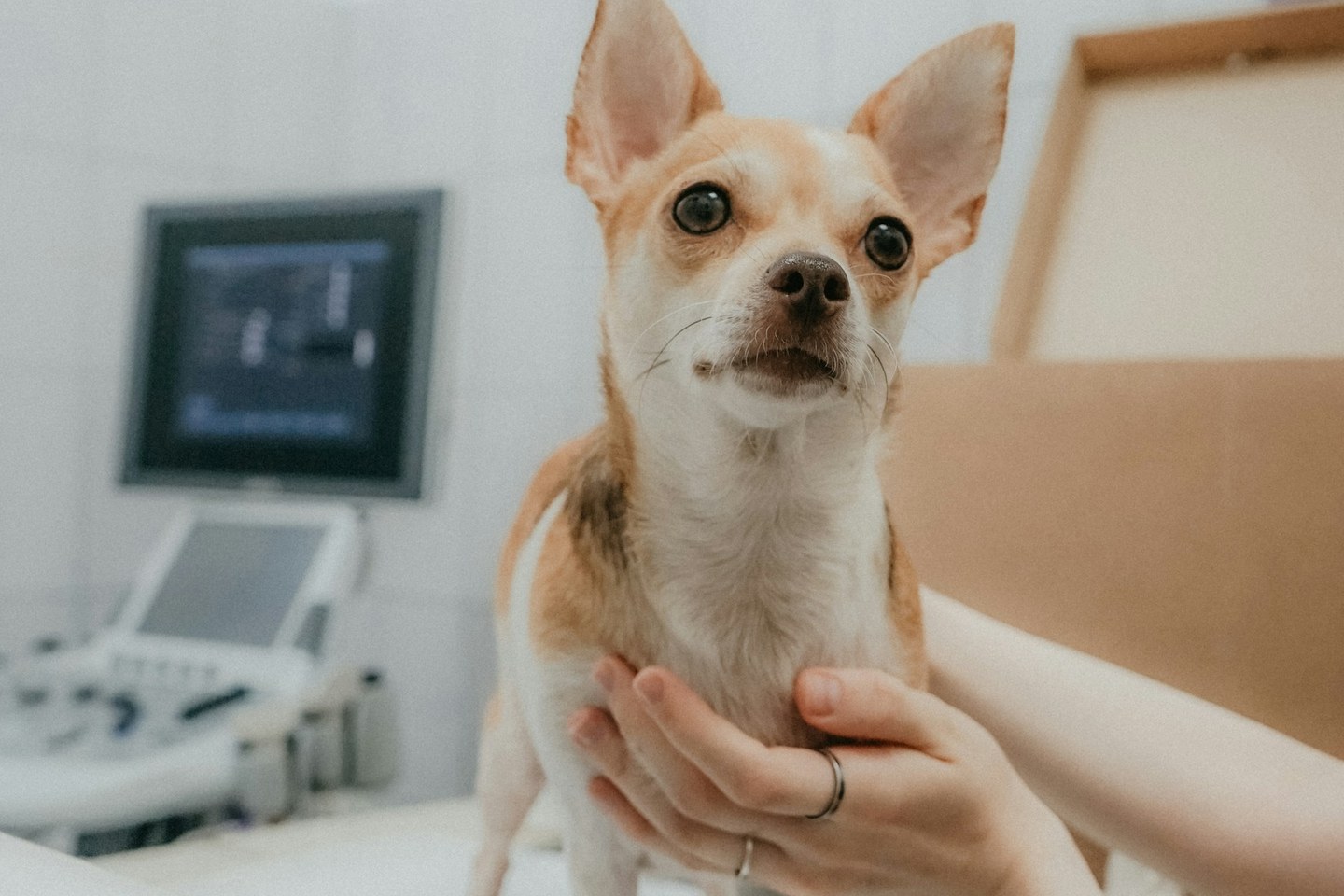
Applies to: Owners of dogs, cats and ferrets settling in Spain. Other species and potentially dangerous animals require additional checks with the competent authority.
Before you start
- Pet passport or entry certificate, chip number, rabies/vaccination records and any travel test documents.
- Your ID, Spanish address and contact number; proof of ownership or transfer if relevant.
- Medical history, current medication, insurer details and emergency vet contacts.
- Lease pet permission and the municipality/region’s current registration instructions.
The steps
Book a local veterinary appointment early
Ask a registered local vet to scan the chip, check identification against the travel documents and review vaccination and parasite protection for the region. Mention your pet’s origin, health history and any planned onward travel. A compliant arrival document does not automatically create a Spanish regional owner record. If the chip cannot be read, ask the vet to resolve it through the proper identification procedure rather than simply replacing it without checking.
Register or update the regional identification record
Ask the vet which autonomous-community database applies and how an existing foreign chip is entered with your Spanish address and contact details. Examples include RIVIA in Comunitat Valenciana and RIAC in Madrid; these are not interchangeable national forms. Confirm the owner’s identity, chip number, phone and address, pay any documented fee and request proof of registration. Keep the previous record and coordinate updates rather than assuming a foreign registration is enough.
Check the municipal animal census separately
Contact the ayuntamiento for your actual home and ask whether an alta en el censo de animales is required, for which species and within what local deadline. Ask whether the vet/regional record automatically communicates with it or whether you must submit a separate form. The town may request chip details, vet/passport record, owner ID and address, plus insurance/licensing evidence where applicable. Keep the municipal acknowledgement.
Review vaccinations, identification and sterilisation duties
Dogs, cats and ferrets have identification obligations; rabies schedules and other local requirements should be checked with the vet for the region. National rules include sterilisation of cats before six months except the registered-breeder exception; ask the vet/authority how the rule applies to an older newly arrived cat or a medical contraindication. Do not treat one region’s vaccination timetable or an old online article as a Spain-wide rule.
Arrange insurance and any special license
Read the companion pet-rules guide and ask the municipality about applicable regional/local dog liability requirements. Potentially dangerous animals have their own licensing, registration and insurance framework. A pet health policy paying vet bills is not automatically third-party liability cover. Confirm the chip and handlers covered by the policy and keep evidence available.
Build a safe routine and lost-pet plan
Use secure carriers/harnesses, suitable walking hours and water in hot weather. Check leash, muzzle, beach, park and public-transport rules locally. Introduce the new home gradually and secure balconies/windows. Save emergency vet and municipal lost-animal contacts. Report a loss promptly through the regional register, police/municipal service and vet as applicable; deadlines can be short and differ locally.
Keep the records current when your life changes
Update address, telephone, ownership, death or departure through the required regional/municipal procedure. If moving to another autonomous community, ask the new vet how the chip record is transferred and whether the new town needs a fresh census entry. An EU pet passport helps travel but does not replace updating residence-related records.
Important details
Entry and residence are different
The often-mentioned five-animal non-commercial travel limit relates to travel classification and exceptions, not an automatic national cap on pets living in a home. If animals travel separately or you have more than five, check MAPA before travel.
Costs to request from the vet
Ask for separate prices for consultation, chip registration/update, vaccinations, passport if appropriate, sterilisation and any tests. There is no single national flat arrival package. Carry a reserve for unexpected treatment.
Local example, not national instructions
Comunitat Valenciana has its own animal law and regional identification arrangements. Use those only for a Valencian address. The municipal census and conditions in Madrid, Barcelona or another city need their own check.
Common questions
Does the EU pet passport register my dog locally?
No. It is a travel/health document. Confirm the regional chip database and any municipal census separately.
Does a foreign microchip need replacing?
Not automatically. Have the local vet scan and assess it, then register/update the record through the competent system.
Do cats need registering too?
National identification rules cover cats, and regional/municipal procedures may apply. Ask the local vet and town hall about your cat’s exact requirements.
Your final checks
Tick these as you work. This page does not save your selections.
See the bigger picture
Pair these practical steps with the Spain-wide essentials.
Sources & next steps
Reviewed 1 October 2026. This independent guide provides general information. Requirements, fees and office arrangements can change; the responsible authority’s current instructions control your application. Commercial service links explain products, not official rules.